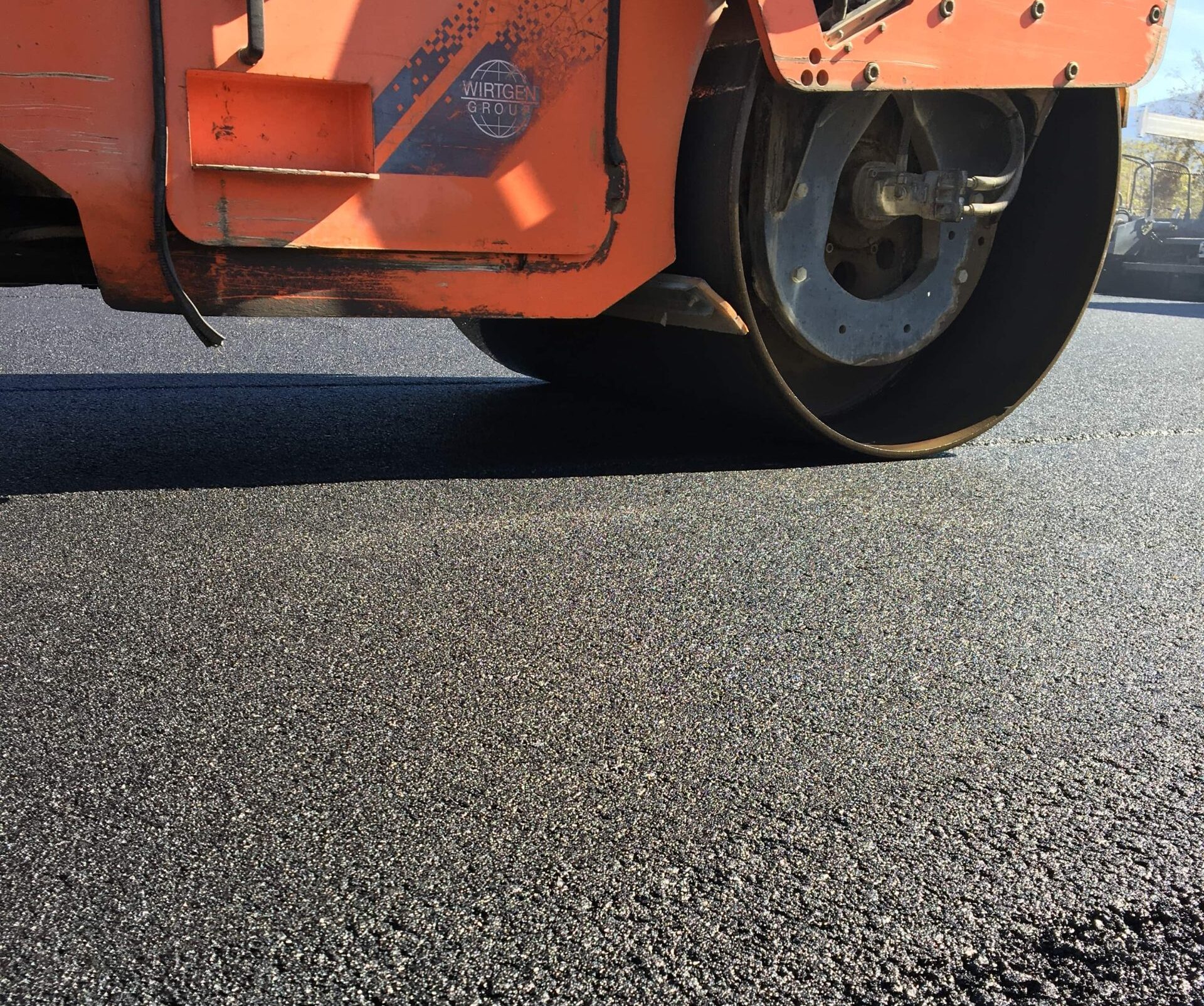
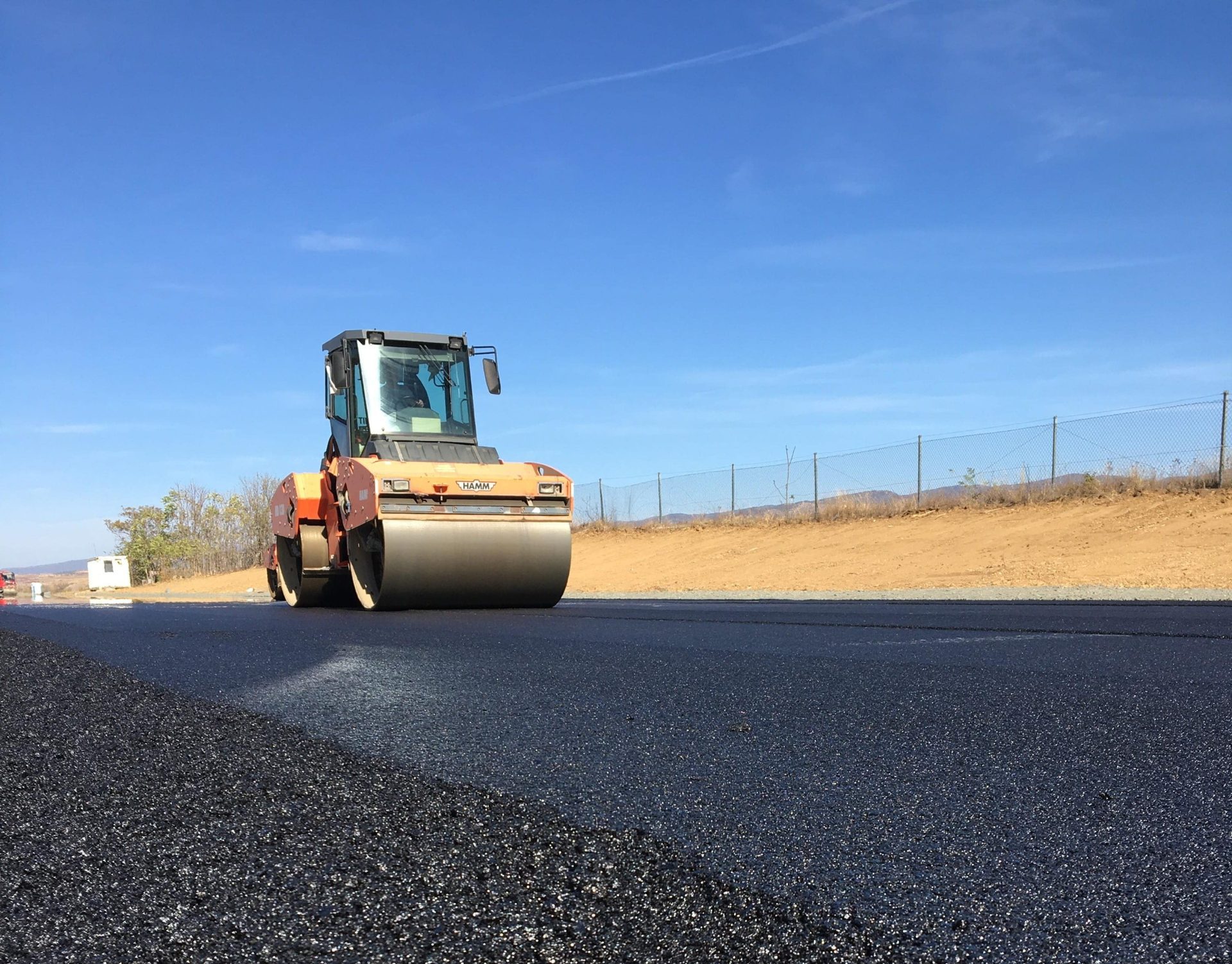
Polymer-modified bitumen (PmB) is a mixture of natural or synthetic polymers and bitumen.In Europe, the most commonly used polymer for the production of PmB is the thermoplastic polymer SBS. PmB is used in asphalt mixtures for the construction of pavement structures such as:
-Highways and roads with heavy traffic loads
-Urban roads with intense traffic, bus stations, intersections, areas in front of traffic lights, etc.
-Airports
-Final asphalt concrete layers on bridges
Characteristics of PmB:
– Exceptional elasticity
– Resistance to the negative effects of extreme low and high temperatures
– High resistance to plastic deformation and cracking
– Strong adhesion to stone aggregate
– Greater resistance to fatigue and aging
– Extended service life
– More cost-effective due to increased durability and reduced maintenance costs.
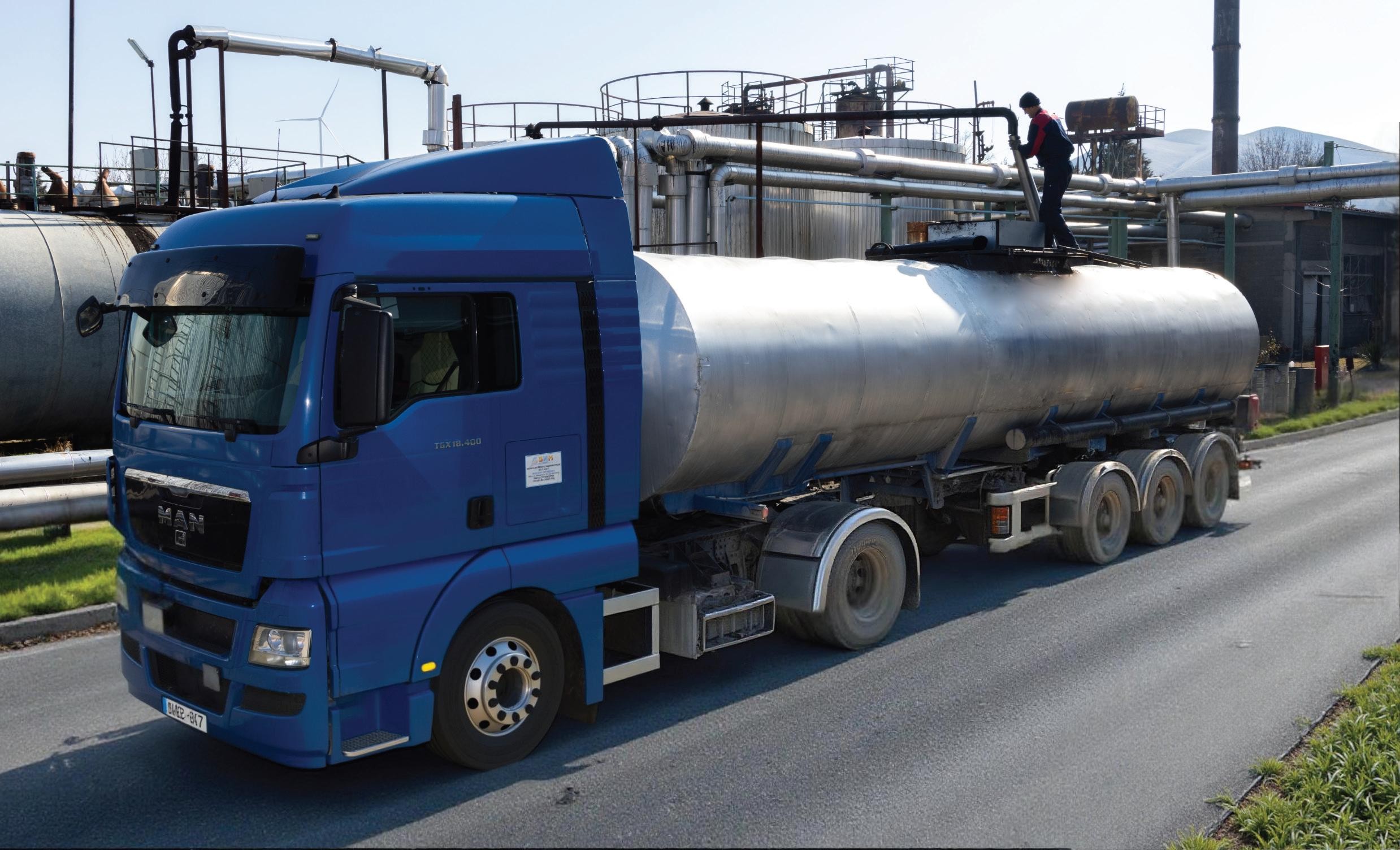
BIM AD Sveti Nikole produces PmB according to the European standard EN 14023, under the commercial name POLIBIM.
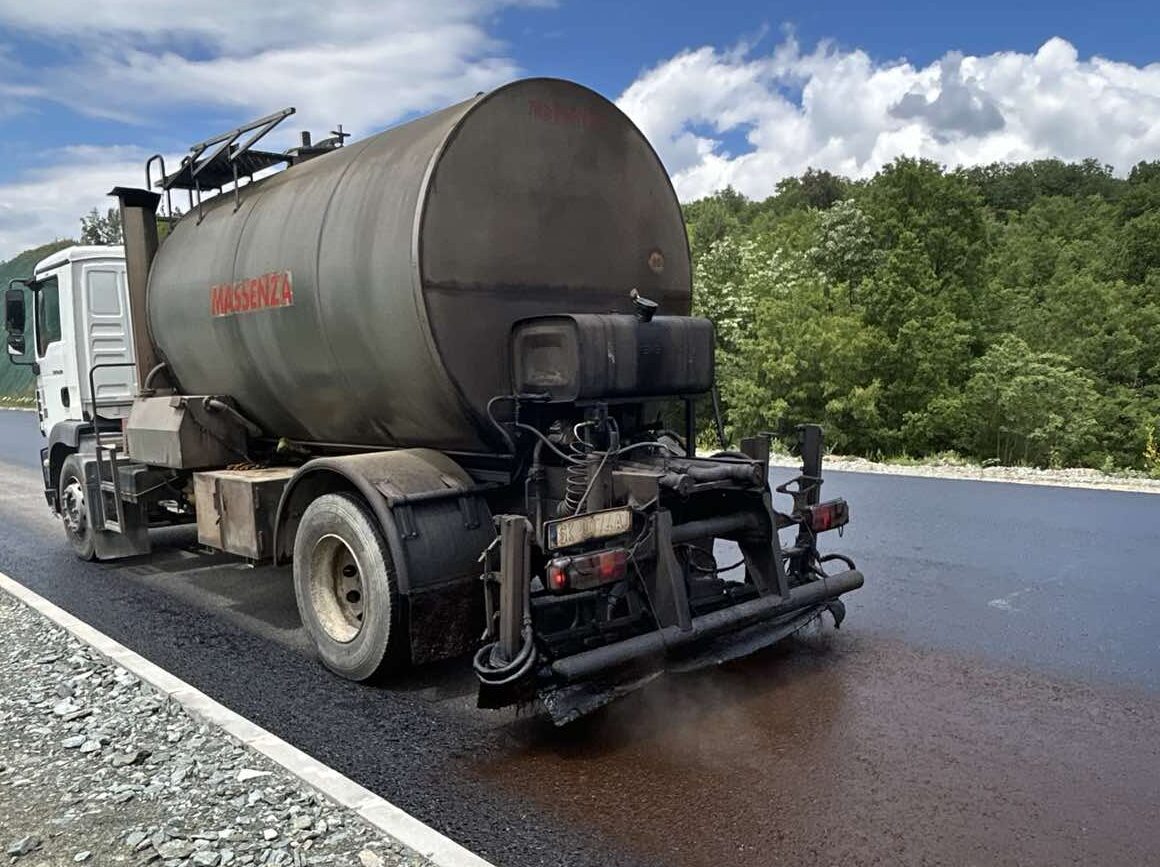
Bitumen emulsion is an emulsified liquid bitumen, with a brown color,оbtained by mixing of bituminous and aqueous solution of an emulsifier. According to the emulsifier, the emulsions can be cationic or anionic, according to the charge index unstable, semi-stable or stable.The primary function of an emulsion is to bond layers at the road construction. Also it is used as waterproofing agent. BIM a.d. produces:
– polymer-modified cationic emulsion PmB KN
– cationic emulsion KN, according to EN 13808 and
– anionic emulsion EN, according to MKS 1018
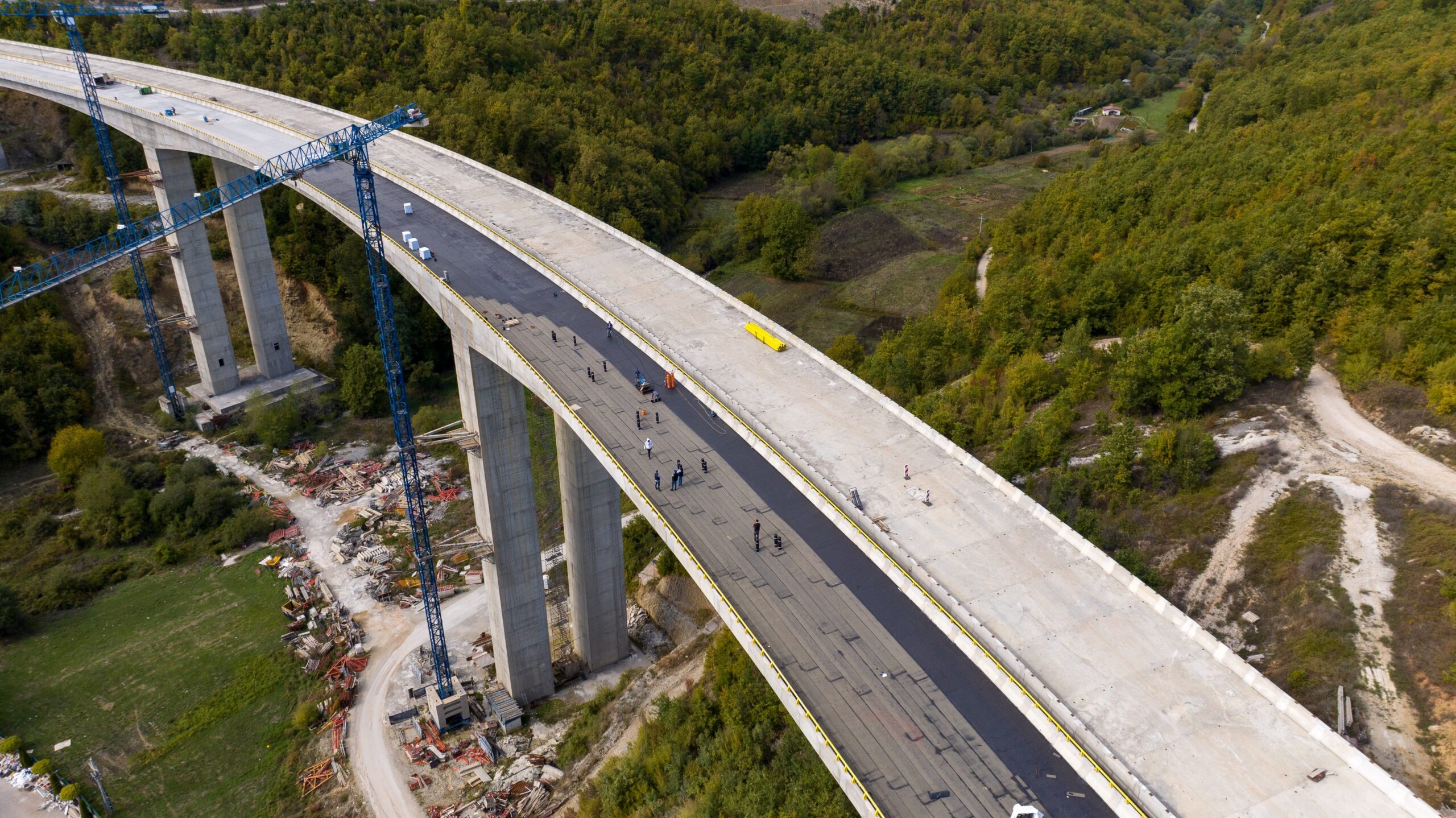
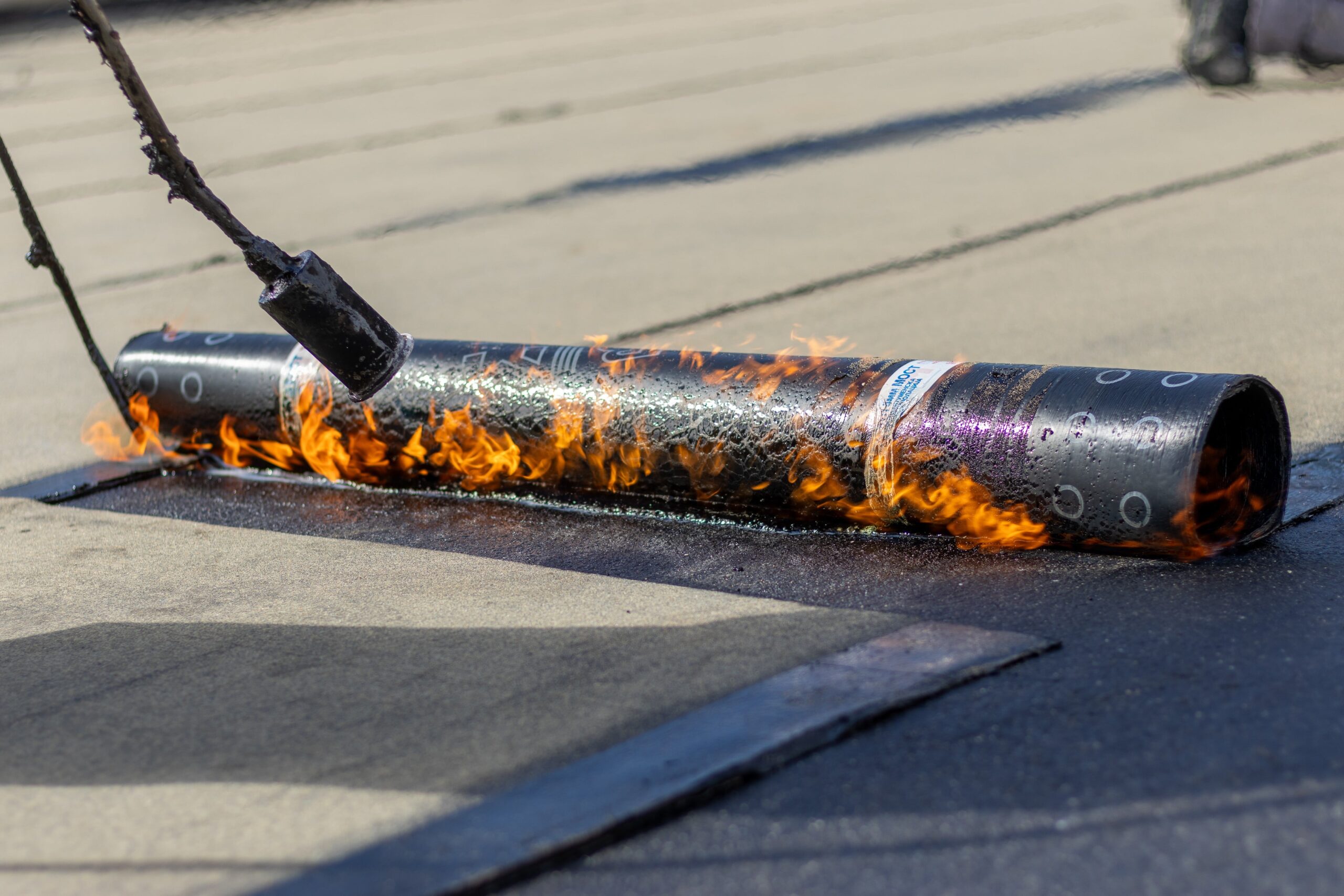
The modern process for producing polymer-modified bituminous membranes is based on mixtures of bitumen, polymer and filler, which are impregnated into a pad that reinforces the bituminous membranes. The production mainly uses two types of polymer-bitumen: SBS – bitumen modified with elastomers, and APP – bitumen modified with plastomers. Depending on the polymer used, the membranes can be elastomeric (SBS) or plastomeric (APP), or a combination of elastomeric-plastomeric bituminous membranes. The reinforcement pad is typically, polyester felt or glass fabric. Bituminous membranes used for the waterproofing of bridges are produced according to the European standard EN 14695. According to the EN standard, BIM AD produces polymer-modified bituminous membranes for waterproofing of bridges under the names BIKUTOP MOST and BIMPLAST MOST. BIKUTOP MOST is an elastomeric membrane, while BIMPLAST MOST is a plastomeric bituminous membrane. Both are available in thicknesses of 4 and 5 mm, with a pad of polyester felt or glass fabric.
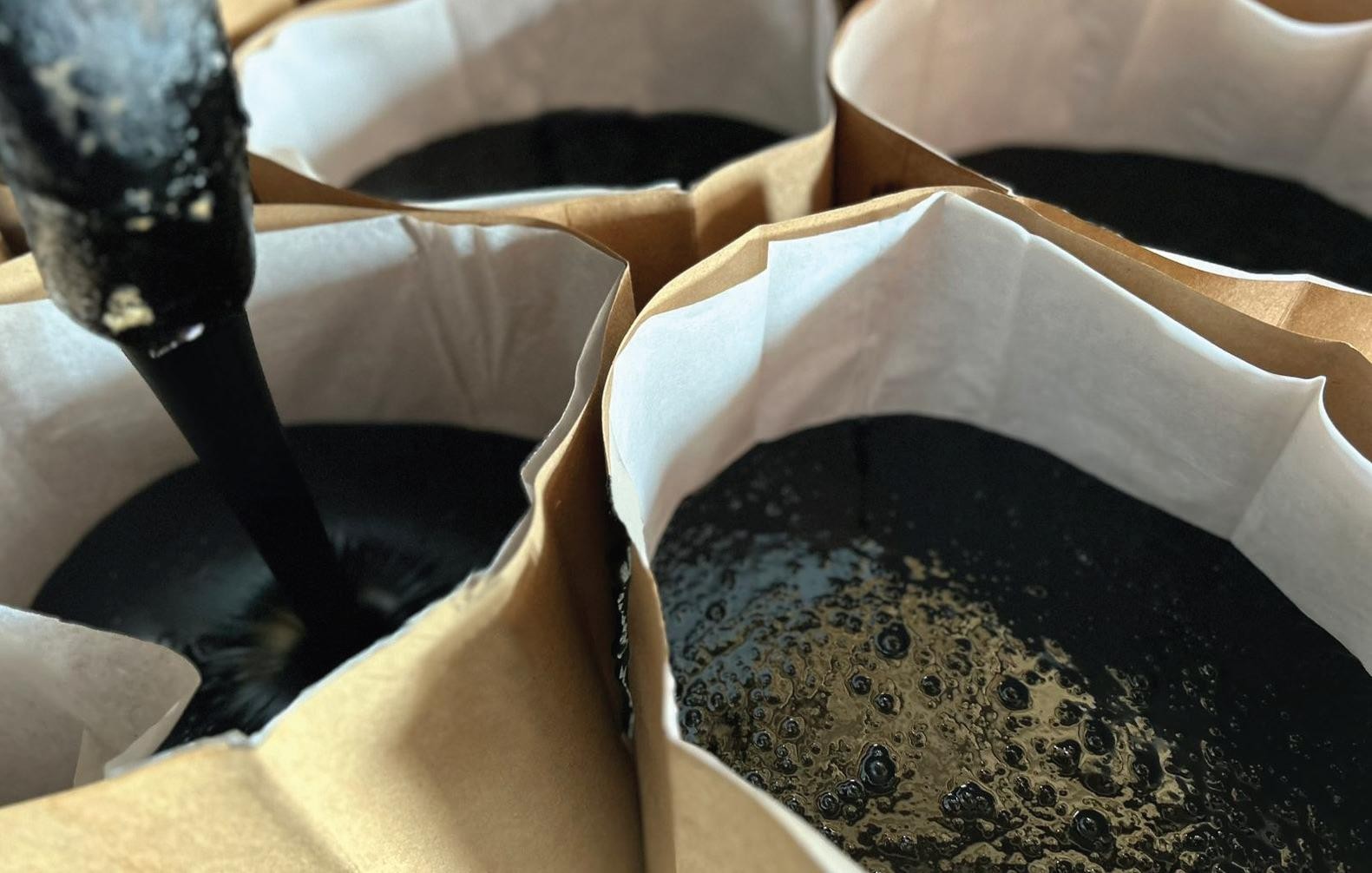
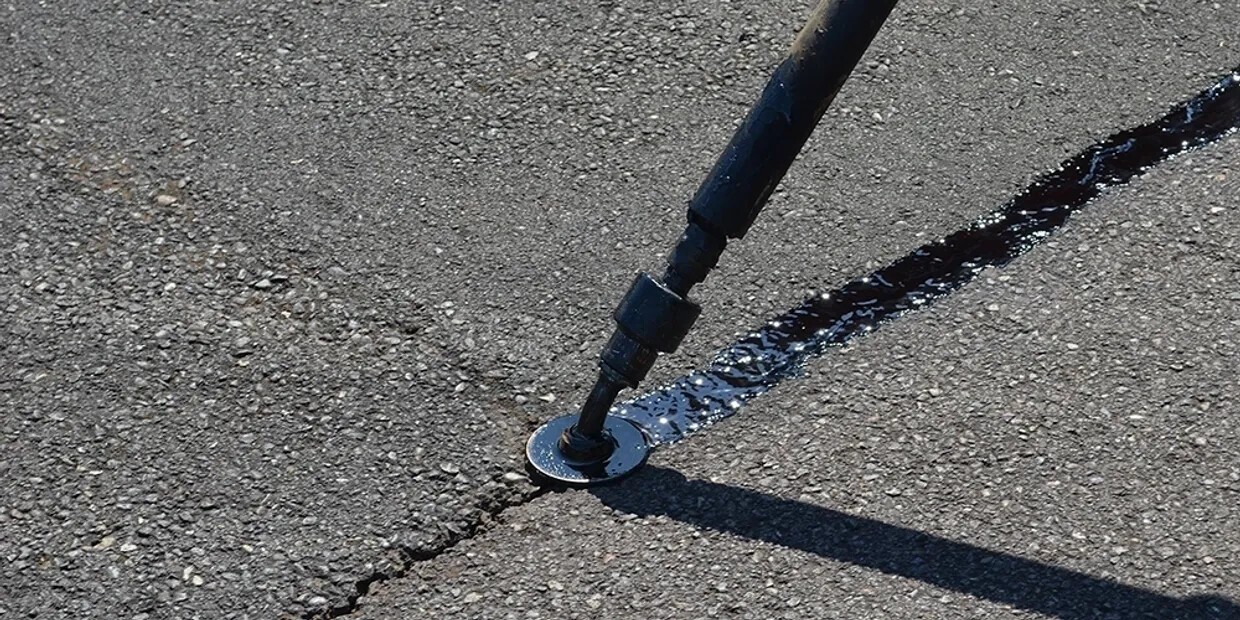
Polymer-modified bitumen masses are homogeneous mixtures of bitumen and filler, which are modified with the SBS elastomer. They are applied by melting through a hot procedure and are used for sealing asphalt concrete joints, cracks, dilatations, etc. These masses are characterized by high durability, elasticity and resistance to aging.
BIM a.d. produces polymer-modified bitumen masses according to EN 14188-1.
Road construction bitumen is the most popular type of binding agent for asphalt concrete mixtures, intended for the construction of roadway surfaces using the hot method. In addition to being used for the construction of road structures, it also serves as a raw material base for the industrial production of road materials such as bitumen emulsions and diluted bitumen. Furthermore, road bitumen is applied in the industrial production of waterproofing materials.
BIM a.d. produces road construction bitumen according to EN 12591.